Every September, the fashion internet develops a strong opinion about who you should become by October. There will be a new silhouette, an essential color, a must-have shoe, and at least one jacket described as capable of transforming your entire life.
The jacket may be nice. It probably cannot fix your schedule.
Fall style in New York does not need to begin with an identity crisis. You can like what you already own. You can replace what no longer works. You can try something new without pretending every previous version of yourself was dressed incorrectly.
Start with your actual closet
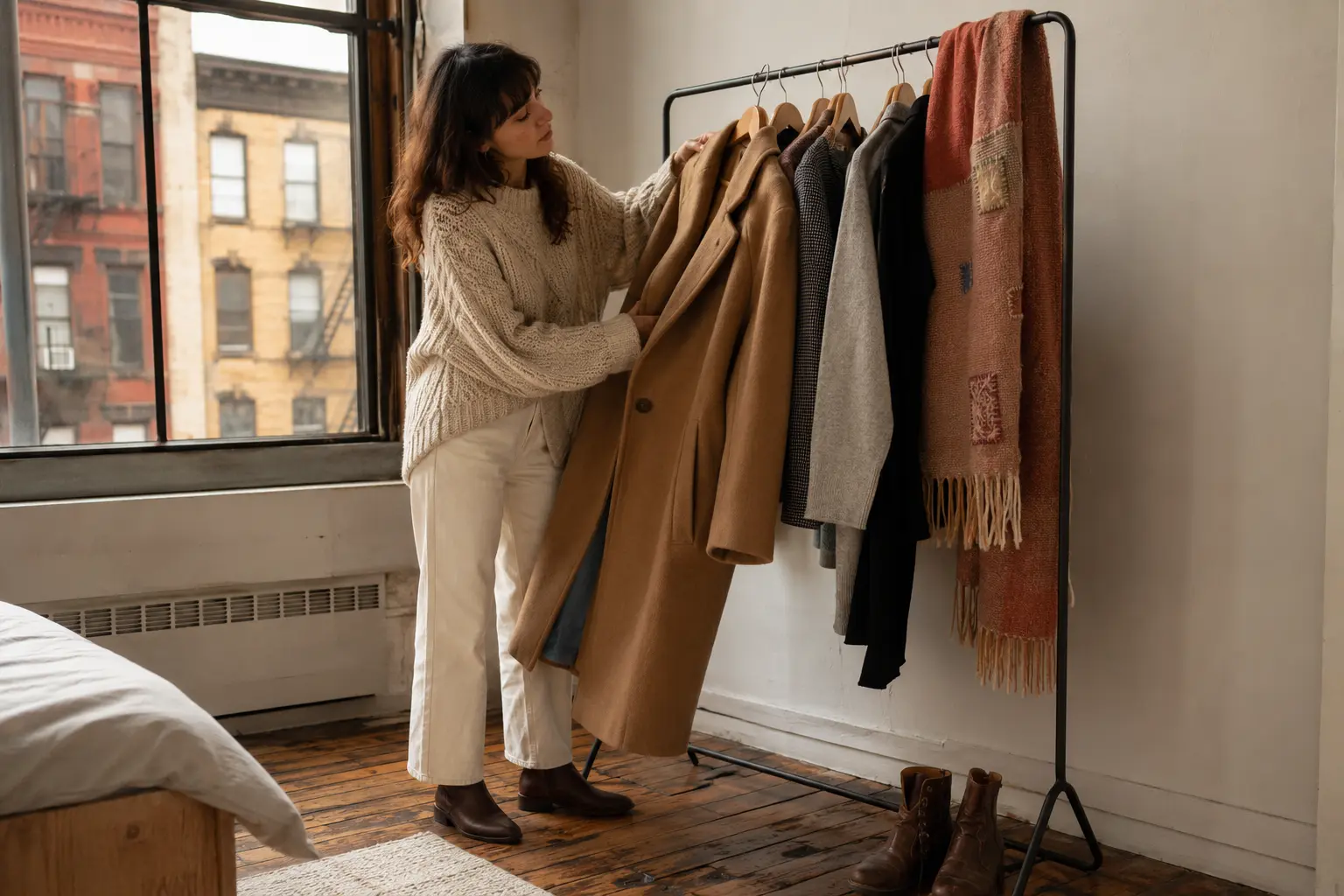
Before shopping, look at what is already there. Take out the coats, sweaters, trousers, scarves, boots, and bags you have not seen since spring.
Check fit, condition, comfort, and whether each item suits your current routine. Bodies change. Jobs change. Budgets change. A piece that worked three years ago may not fit your life now, and that is not a personal failure.
Make three practical categories: ready to wear, needs repair or cleaning, and genuinely no longer useful. No dramatic decluttering speech required.
Repair is sometimes the better upgrade
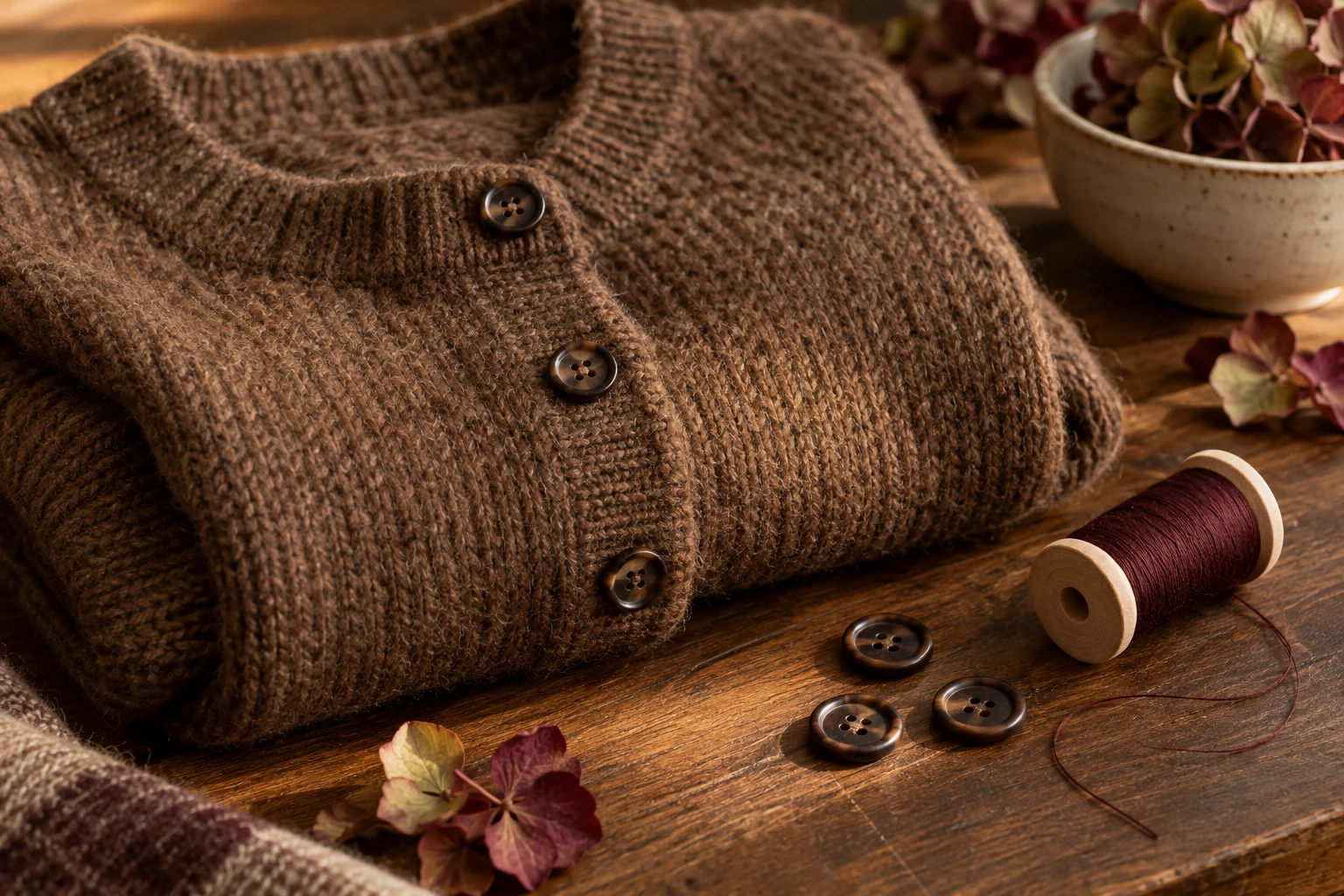
A missing button, tired zipper, loose lining, scuffed boot, or worn hem can make an otherwise useful item feel finished. Depending on the condition and cost, a qualified tailor or repair professional may be able to help.
Ask for an estimate. Compare it with your budget and the value of keeping the item. Repair is not automatically cheaper or environmentally superior in every situation, but it deserves consideration.
A coat you already love may have more personality than a new one chosen under pressure.
Layers beat dramatic weather optimism
New York fall can begin with a chilly morning, turn warm by afternoon, and end beside an unexpectedly cold waterfront. Dressing in adjustable layers makes more sense than committing to a single fantasy temperature.
Consider a breathable base, a comfortable middle layer, and outerwear appropriate for wind or rain. Choose materials that work for your needs and follow care instructions.
If you spend much of the day commuting, think about whether the outfit remains comfortable on stairs, trains, buses, and long walks. A beautiful look becomes less convincing when the person wearing it cannot move.
Shoes should understand the assignment
The right shoe depends on your body, schedule, mobility, workplace, and budget. Supportive sneakers, sturdy boots, loafers, or flats may all make sense for different people.
Do not confuse suffering with sophistication. If a shoe regularly causes pain, take that seriously. Persistent foot problems deserve professional guidance rather than a social-media styling trick.
Read our practical street-style perspective for a reminder that the sidewalk has opinions too.
A trend can be an idea, not an obligation
You may enjoy seeing what designers, stylists, and people on the street are experimenting with. Inspiration can be playful without turning into compulsory shopping.
Borrow the feeling of a trend using something you already own. Try a different proportion, a new color combination, or an accessory moved from the back of a drawer. If you decide to buy something, choose it because it fits your life, not because a headline declared it mandatory.
There is no fashion emergency caused by wearing the same good jacket twice.
Think about the full day
Will you be indoors under aggressive air conditioning? Walking in the rain? Carrying a laptop? Meeting friends after work? Taking care of a child, managing accessibility needs, or standing for a long shift?
Your clothing should serve those realities. A person moving through New York has different needs from a mannequin posed beneath perfect lighting.
The best outfit is not the most complicated one. It is the one that helps you feel comfortable, recognizable, and prepared for the actual hours ahead.
Personal style grows through repetition
People often become stylish by noticing what they reach for repeatedly. Maybe it is a particular coat shape, an unexpected color, reliable boots, or a scarf that makes everything else feel more like you.
Repetition is not a lack of imagination. It can be evidence you understand yourself.
Let preferences evolve without throwing away every previous idea. The city is full of people whose most memorable outfits come from years of small adjustments rather than one expensive seasonal overhaul.
Buying thoughtfully still supports real people
Local designers, independent shops, tailors, resellers, craftspeople, and repair specialists all contribute to New York’s style ecosystem. Supporting them can be meaningful when the purchase fits your budget and the business communicates clearly.
Ask about sizing, returns, materials, care, and pricing. Do not assume every small business is automatically sustainable or every larger company lacks thoughtful design. Specific claims deserve specific evidence.
Shopping can be joyful. It does not have to become a test of moral perfection.
You are allowed to look like yourself
That might be the simplest and least marketable fashion advice of the season.
Keep the old coat if it still works. Wear the scarf your friend gave you. Repair the boots. Try the new color if it makes you happy. Skip it if it does not.
Explore more New York style and beauty coverage and our look at the upcoming fashion calendar.
Fall is coming either way. You do not need to purchase a new personality to meet it at the door.
Keep what makes you recognizable
The pieces you return to repeatedly often carry useful information. Maybe you prefer softer fabrics, stronger colors, room to move, or a familiar jacket that makes every outfit feel steadier. Those preferences deserve more attention than a trend forecast written for millions of strangers.
If something no longer fits, set it aside without punishing yourself. If a garment needs repair, decide whether the work makes practical sense. If you want to try a new direction, start with one thoughtful change instead of replacing everything at once. Personal style should have room for curiosity, comfort, and changing circumstances. It should never require pretending the person you already are is somehow out of season.
See something that needs attention? Send a correction. We review factual notes and attach meaningful updates to the article.