You can usually tell New York Fashion Week is approaching before anybody sends you a calendar. Outfits become slightly less interested in weather. People start carrying impractical bags with great conviction. Somebody on a downtown corner manages to look both late and completely unbothered.
The September 2026 edition comes with more than its usual sidewalk theater. According to the Council of Fashion Designers of America, the official New York Fashion Week schedule runs Thursday, September 10, through Tuesday, September 15, with approximately 70 runway shows and designer presentations. The collections are for spring and summer 2027, because fashion has never felt the need to match the season currently happening outside.
That is the useful overview. The better question is what makes this particular week worth paying attention to if you are not sitting in a reserved front-row seat.
The first show already says something
The official schedule opens with Henry Zankov presenting his first collection as artistic director of Diane von Furstenberg. That pairing matters because DVF is one of those New York fashion names people recognize even when they could not explain the current runway conversation.
The brand carries a history shaped by the wrap dress, practical glamour, and the idea that clothes can project confidence without making movement impossible. A change in creative direction asks whether that legacy stays frozen in nostalgia or becomes useful to another generation of people getting dressed for actual lives.
Zankov brings his own design perspective into a label with strong existing visual memory. We have not seen the collection, and nobody should pretend to know what it will say before it appears. But opening the entire week with that debut makes the question unusually visible: how do you refresh a familiar American fashion identity without sanding off everything people recognized in the first place?
The official CFDA fashion-week announcement ↗ confirms the debut and the broader preliminary schedule.
The first-timers are not background decoration
The CFDA identifies several names appearing on the official calendar for the first time, including Benjamin Seidler, Conner Ives, Grey’s by Emily Grey, High Sport by Alissa Zachary, Hikari no Yami by Jakarie Whitaker, Magda Butrym, Max Esmail, Patrick Taylor, Sabyasachi, and Zaldy.
That list matters more than the usual impulse to identify one breakout designer before anyone has actually shown a collection. It suggests a season willing to place different creative histories, customer communities, and aesthetic points of view beside the established names.
Take High Sport. Even without predicting a specific presentation, the name immediately raises a question about how contemporary women actually want clothes to behave: do they move, travel, and survive a full day without turning personal style into a maintenance assignment?
Hikari no Yami brings Jakarie Whitaker into a wider official conversation. Sabyasachi enters with an already recognizable global reputation, which creates a different kind of first appearance than an emerging designer presenting to a larger New York audience for the first time. Zaldy carries performance and costume associations that could make the room feel very different from a familiar luxury-brand presentation.
Those distinctions are the point. New to the calendar does not mean new to fashion, and it definitely does not mean every designer should be placed into the same convenient trend bucket.
Follow the Fashion Fund names, too
The 2026 CFDA/Vogue Fashion Fund finalists on the calendar include Bad Binch TongTong by Terrence Zhou, Jamie Haller, and Milamore by George Inaki. The CFDA says they are appearing on the official schedule for the first time, joining finalists Aisling Camps, Amir Taghi, Lii by Zane Li, and Zoe Gustavia Anna Whalen.
Awards programs do not guarantee a great collection. They do offer a useful map when the full NYFW schedule starts looking like a dense collection of names, times, and private venues.
If you are curious about emerging designers at New York Fashion Week, start by noticing what each label already makes, who seems excited about it, and how the work exists outside a runway photograph. Look for a perspective, not just the loudest outfit on social media.
The ordinary fashion-week habit is to wait until a brand becomes difficult to access, then announce that it has suddenly become interesting. There is something nicer about paying attention while a designer is still finding a wider audience.
September also brings a real policy change
This is the first official NYFW season under the CFDA’s fur-free policy. The organization says collections on its official schedule may no longer include animal fur from animals farmed or trapped specifically for their pelts, with a defined exemption related to traditional Indigenous subsistence hunting.
That detail deserves more than a congratulatory headline. A policy is not the same thing as making every garment sustainable, every supply chain transparent, or every alternative material environmentally perfect. Synthetic substitutes have their own questions. Shearling, leather, labor standards, and production waste are not erased by one rule.
What the policy does is establish a visible boundary for the official calendar. It changes what organizers promote, what designers plan around, and what counts as acceptable material language within one of the city’s most recognizable fashion events.
The CFDA’s fur-free policy ↗ explains the restriction and its exception directly. Reading the actual policy is more useful than letting somebody compress it into a dramatic caption.
Fashion Week happens outside the shows
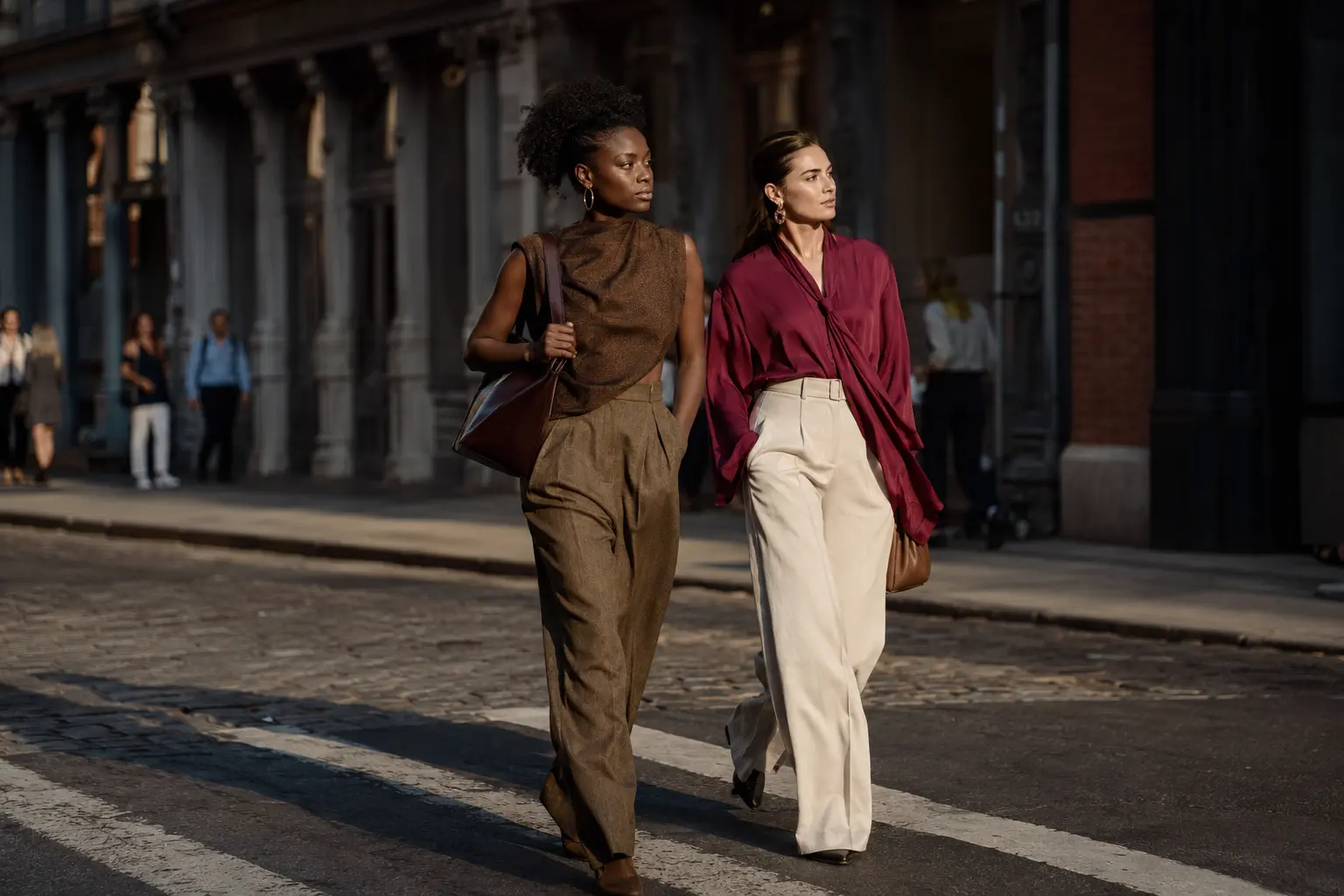
Most New Yorkers will not enter a runway venue, and they do not need to. Fashion Week spills into coffee shops, sidewalks, showrooms, hotel lobbies, subway platforms, independent stores, and the very specific downtown choreography of someone trying to protect a good outfit from an unexpected rain shower.
Some of that street activity is performative. Some of it is simply creative people using the city as a place to try out an idea. The difference is usually easier to notice when you stop looking for a perfect outfit and start paying attention to how somebody actually moves through New York.
Look at proportions, unexpected color, practical shoes paired with something dramatic, or the way older clothing is styled with new pieces. You do not need a designer name to recognize a good idea.
Our existing look at what New York street style really means is a better companion to the week than a checklist promising to turn you into a fashion insider by Tuesday.
A little calendar reality
Ralph Lauren, Coach, Rachel Comey, Cult Gaia, J. Press, and Libertine are listed around the September 9 eve-of-fashion-week programming. The official dates remain September 10 through 15. Thom Browne is scheduled to close the week.
The preliminary calendar can change. The CFDA also notes that the Friday schedule begins at 10 a.m. out of respect for the 25th anniversary of September 11. That is a reminder that fashion does not happen outside the rest of the city, even when the invitation makes the room feel self-contained.
For more Style & Beauty coverage, upcoming New York events, and Manhattan stories, keep watching the spaces between the announcements.
The interesting part of NYFW 2026 is not how many famous people appear. It is who gets room to try something, which old ideas are being reconsidered, and whether the city outside the shows ends up looking a little more like itself.
Strong Signal
Worth making the trip.
PRIMARY SOURCECFDA official September 2026 NYFW schedule ↗
See something that needs attention? Send a correction. We review factual notes and attach meaningful updates to the article.