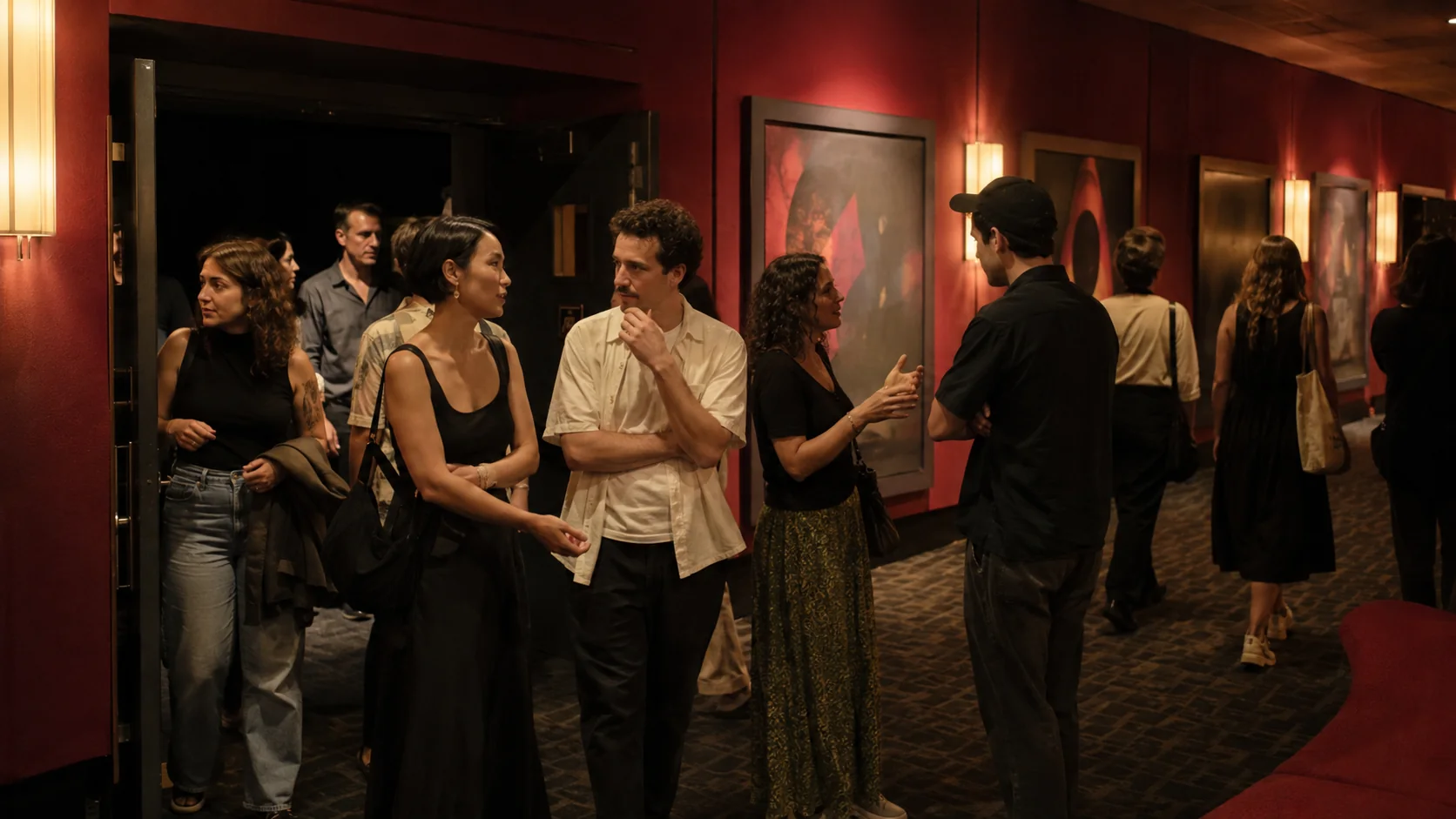
Some horror audiences scream. Some laugh at exactly the wrong moment. Some sit through the credits because they need a minute before returning to the polite lighting of the lobby.
Scary Movies XIV runs August 12 through August 20, 2026, at Film at Lincoln Center. The 16-film series combines new work, premieres, classics, rediscoveries, and selected conversations with filmmakers and guests. It is a compact program for viewers who do not believe horror should wait for October.
This is a preview based on the official program, not a claim that Borough Signal has seen the 2026 selections. The festival was still running at publication. We will not invent reactions or pretend a trailer is the same as a feature.
Horror is a broad neighborhood
The word horror now covers supernatural dread, body horror, psychological breakdown, satire, crime, science fiction, folk traditions, creature stories, experimental work, and films that refuse to explain what they are doing.
That range is a strength until a ticket buyer assumes every title offers the same experience. Read the individual description. Check content information when available. A playful midnight movie and a sustained film about trauma can share the series while requiring completely different moods.
Do not use “I like horror” as the entire selection method.
New work arrives without a safety net
A premiere can be exciting because the audience has not settled on a verdict. It can also be uneven. Discovery includes the possibility that a film does not work.
That uncertainty is part of festival viewing. Audiences used to recommendation scores may find it refreshing to enter without hundreds of ratings. They may also discover how much marketing influences expectation when familiar consensus is absent.
Give the film room to be strange before deciding whether strange means good.
Classics change in a crowded room
Older horror films gain and lose power over time. Effects once considered shocking can become charming. Social fears shift. A film dismissed on release may look more precise decades later, while a celebrated title can reveal limits a nostalgic audience ignored.
Theatrical presentation also matters. Sound fills the room. Darkness removes the option to check another screen. Laughter becomes contagious. A movie watched alone at home is not identical to the same movie with an audience prepared to react.
Revivals are not filler between premieres. They test the history the new films inherit.
The opening film sets a particular temperature
The official program identifies Buddy, the feature debut from Too Many Cooks creator Casper Kelly, as the opening film. Its premise centers on a 1990s children’s television show descending into mayhem, which suggests the uncomfortable overlap between nostalgia, comedy, and horror.
That combination can produce a room where laughter and disgust arrive together. It can also divide viewers who want one tone to hold still.
An opening night is partly a social event, so check whether the ticket includes a conversation or appearance and how that affects timing.
Q and A sessions are not guaranteed wisdom
Post-screening conversations can clarify process, reveal production choices, and let an audience hear directly from filmmakers. They can also become long compliments disguised as questions.
If you get the microphone, ask something concise that the guest can answer. Do not summarize your own screenplay. Do not demand that a director explain every ambiguous image. Do not reveal a personal story the entire room did not consent to receive.
The best question opens the film. It does not prove the questioner understood it first.
Midnight energy without midnight logistics
Horror culture often celebrates late screenings, but the series schedule may include different times. An evening film can still end after some transit options become less frequent.
Check the running time, added conversation, and route home. Lincoln Center feels central until a late-night service change turns one transfer into three. If a film leaves you shaken, give yourself a few minutes before navigating traffic.
Going with a friend is not mandatory, but having someone to argue with afterward improves many horror movies.
Content warnings are tools, not spoilers
Some viewers want to know about sexual violence, flashing lights, harm to animals, self-harm, intense gore, or other material before buying a ticket. That information allows people to make choices. It does not weaken art.
Official listings may not cover every concern. Reputable content resources can help, though they may reveal plot details. Decide which matters more for your experience.
Nobody earns a medal for remaining in a screening that is causing harm. Leaving is allowed.
Horror crowds know the joke
The best genre audiences understand that fear and pleasure can coexist. A ridiculous effect receives affection. A strong scare earns noise. A terrible character decision creates collective frustration.
That participation should not become a running commentary. Festival screenings are not private living rooms. React, but let other people hear the film.
Phones should remain dark. Recording the screen is unacceptable and may violate rights and venue rules.
How to choose from 16 films
Pick one title because the filmmaker interests you, one because the premise sounds unfamiliar, and one older work you have never seen in a theater. That is already a strong personal program.
Check schedule conflicts and running times. Do not book consecutive intense films unless you know that is enjoyable for you. Eat something. Horror on an empty stomach is either ideal or a terrible mistake, depending on the movie.
Sold-out status is not a quality score. If the obvious ticket is gone, look again at the program.
What Scary Movies contributes to New York
Commercial horror performs well, but theatrical space for international, independent, archival, and genre-bending work remains uneven. A curated series gives those films context and an audience prepared to take them seriously without removing the fun.
It also keeps horror in conversation with film culture rather than treating it as a seasonal product. Fear is one of cinema’s oldest tools. The genre deserves criticism as rigorous as drama and an audience as happily unruly as this one.
Confirm current showtimes, tickets, accessibility, guest appearances, and any program changes through Film at Lincoln Center. Then choose the film that makes you slightly nervous for reasons beyond the poster.
Scary Movies XIV is not for everyone. That is not a warning. It is the point.
PRIMARY SOURCEFilm at Lincoln Center: Scary Movies XIV ↗
See something that needs attention? Send a correction. We review factual notes and attach meaningful updates to the article.