Ask five New Yorkers where to get the best slice and you may receive six answers, one personal accusation, and a short lecture about a shop that closed twelve years ago.
This is healthy. Possibly not medically, but culturally.
The problem begins when somebody pretends the best pizza in New York is a single objective location, frozen forever above every other possible opinion. Taste does not work that way. Neither does a city with countless neighborhoods, schedules, budgets, and relationships to cheese.
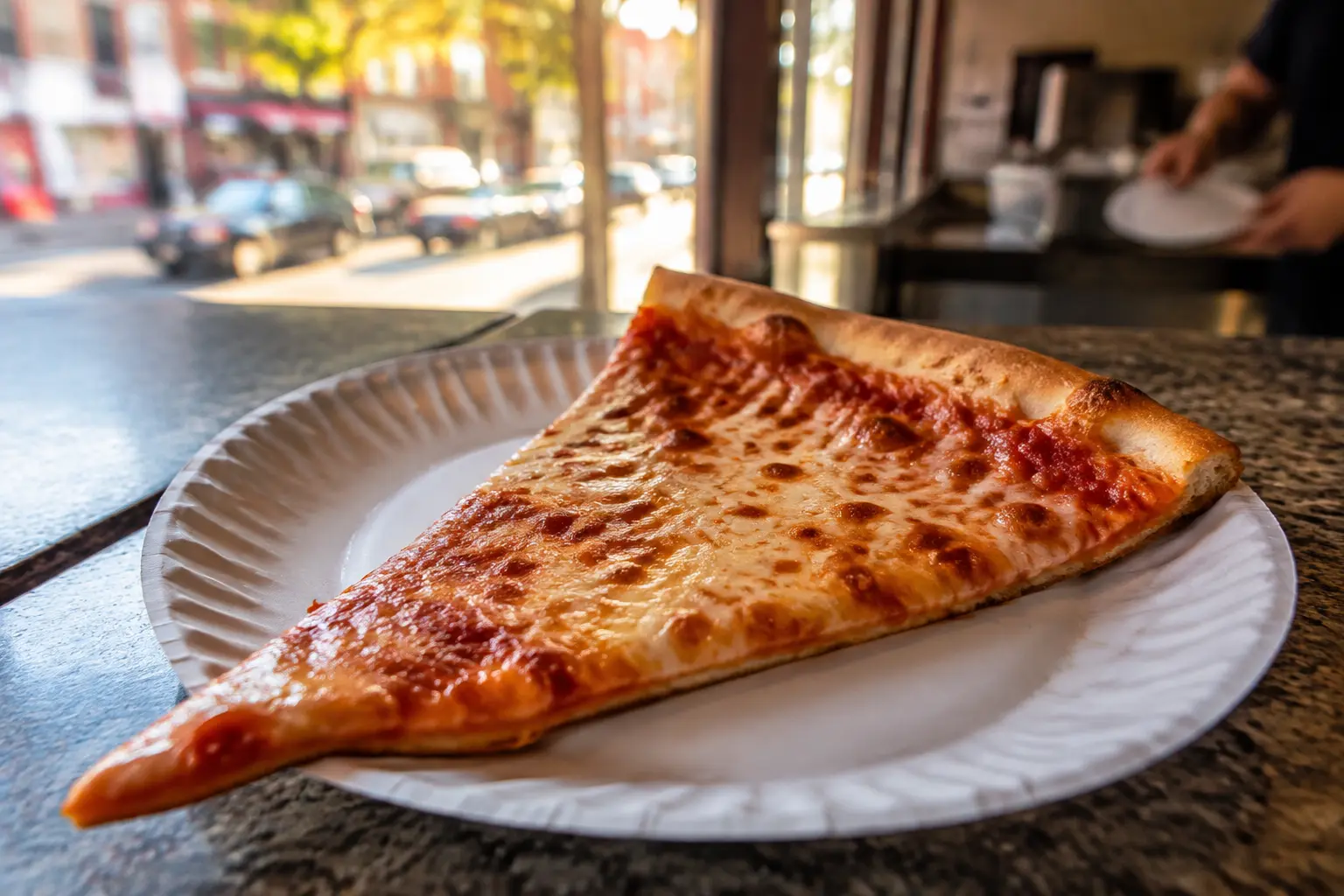
The better question is not who has the best slice. It is what kind of slice you want right now.
Define the assignment before leaving home
Are you hungry after work? Meeting friends? Trying to feed a group? Looking for a crisp thin slice, a square, a vegetarian option, or something substantial enough to hold you until dinner?
The answer changes where you should go. A slice that tastes perfect at midnight after a concert may not be the same one you want during a quiet weekend lunch.
Location matters too. A great pizza across two boroughs is less useful if you have fifteen minutes and a bus to catch.
New York recommendations improve when they respect ordinary logistics.
Freshness does a lot of the talking
A well-made slice benefits from timing, though there is no single rule that guarantees quality. Look for a shop handling food responsibly, communicating clearly, and serving pies that appear appropriate for the time of day.
Ask whether a fresh pie is coming if the counter looks quiet. Be polite about it. A kitchen is not required to reorganize its entire workflow because you developed sudden pizza expectations.
If you have allergies or dietary restrictions, ask about ingredients, shared equipment, and cross-contact. A menu label is not enough when a health concern is serious.
The fold is a preference, not citizenship paperwork
Some people fold their slice. Some do not. Some eat at the counter. Some take the plate outside and immediately discover that wind has opinions.
There is no need to turn a personal eating habit into a test of whether somebody belongs in New York. The city has enough barriers without inventing one involving crust.
If the slice is too hot, wait. If the cheese slides, accept that gravity has entered the conversation. If you prefer a knife and fork because of comfort or accessibility, use them.
Pizza tastes better when nobody is policing the performance.
A neighborhood shop is not a trophy
The local pizzeria may matter because it has fed families, students, shift workers, older residents, and late-night commuters for years. Or it may be a newer business still finding its place. Either way, avoid inventing a history you have not verified.
Ask before photographing staff. Do not block the counter. Learn the ordering system. Respect the people already waiting.
If a shop becomes busy after receiving attention, regular customers may experience the change differently than first-time visitors. Good coverage should acknowledge that popularity has consequences.
Price should be explained honestly
Pizza prices vary by neighborhood, ingredients, rent, labor, and size. Avoid promising a universal cheap slice or treating every higher price as evidence of wrongdoing.
Check the menu before ordering. Ask whether toppings, special pies, delivery, or payment methods change the total. If budget matters, say so or choose a simpler option.
Value includes portion, quality, service, and whether the meal fits the moment. A large specialty slice may be worth it to one person and unnecessary to another.
Take local opinions seriously, not literally
Ask someone who lives nearby where they actually go. Their answer may include useful details: which shop reheats well, which place is busiest at school dismissal, or which counter makes a better square than a plain slice.
That information is more valuable than a dramatic ranking.
But remember that one person’s favorite is not an entire neighborhood’s official verdict. Taste changes. Ownership changes. Recipes change. Your own preferences deserve a vote.
The rest of the block is part of lunch
Pick up the slice, then notice where you are. Is there a park nearby? A bakery? An independent bookstore? A waterfront walk? A friend you have not seen in months who happens to live three stops away?
A good neighborhood meal can lead to a better afternoon without becoming a complicated itinerary.
Explore our Queens neighborhood coverage or browse New York food and drink stories if you want more ideas that leave room for the actual city.
Let the argument remain fun
Debating pizza is one of the rare civic activities that can be competitive without needing to become cruel. Disagree enthusiastically. Share a recommendation. Accept that somebody else prefers a crust you would never order.
The city is large enough for multiple correct answers.
What matters is finding a slice made with care, sold honestly, and enjoyed without turning lunch into an identity test.
Somebody will always know the best pizza in New York. Ask them what they mean, follow up with a useful question, and then decide for yourself.
Leave a little room for the next slice
No single lunch needs to settle the argument permanently. A shop can change bakers, adjust ingredients, add a new square pie, or become your favorite for reasons that have nothing to do with internet rankings. Your own tastes can change too. The slice you loved as a teenager may represent nostalgia as much as technique, and that is completely legitimate.
When you recommend a place, describe the version you actually experienced: the style of pizza, approximate timing, relevant price information, and anything worth knowing about access or ingredients. Avoid promising somebody else will feel exactly the same. Good food writing should create curiosity, not pressure.
Then go home, wash the grease off your hands, and accept that another New Yorker is already preparing a passionate disagreement. Fortunately, tomorrow offers another lunch, another counter, and another perfectly reasonable excuse to keep investigating with friends. Nobody is required to reach a final verdict before dessert.
See something that needs attention? Send a correction. We review factual notes and attach meaningful updates to the article.