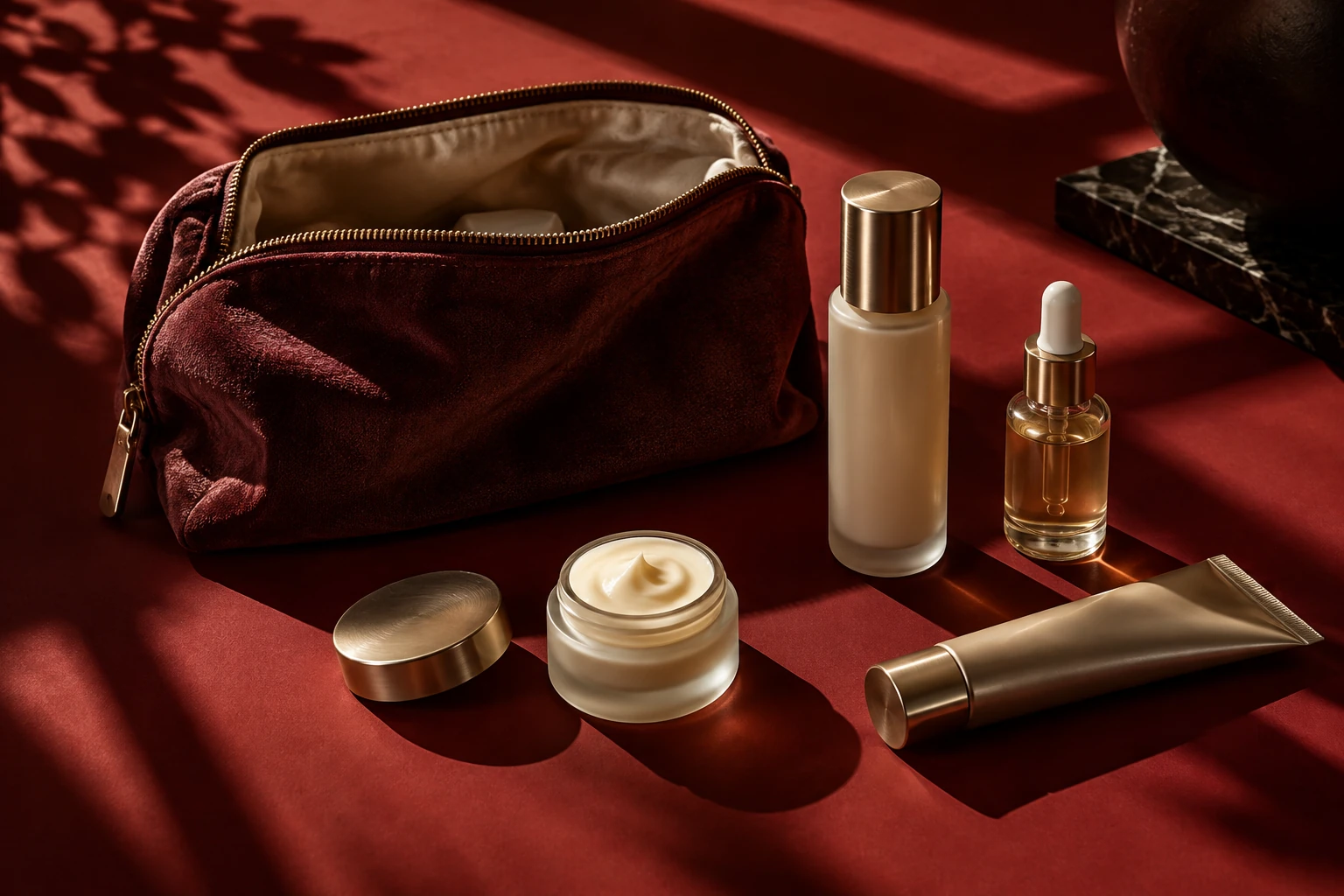
The department store beauty counter once occupied a powerful position. It offered products, demonstrations, samples, lighting, and an employee who could turn a casual question into a complete routine. That authority has not disappeared, but it has been divided.
Independent beauty in New York now moves through neighborhood salons, brow studios, barbershops, nail artists, estheticians, makeup professionals, small retailers, online educators, and founders building brands for customers they believe larger companies have misunderstood.
This shift is not automatically more honest. A small brand can exaggerate. A viral specialist can repeat weak information. A luxury counter can still employ someone with exceptional skill. The useful story is not that one place replaced another. It is that beauty authority has become more local, specialized, and contested.
Service knowledge is the real product
People often discover an independent salon because of a hairstyle, manicure, facial, or transformation posted online. The image attracts attention. The quality of the service decides whether the relationship lasts.
Good practitioners ask questions before making promises. They consider hair texture, skin sensitivity, maintenance, budget, schedule, and what a client can reasonably do at home. They explain when a requested result may take several appointments or create damage.
That conversation is expertise. It is also labor. The time spent assessing, advising, cleaning, documenting, ordering supplies, and following up is part of the price even when the final image makes the work look effortless.
Neighborhood salons hold long memory
New York beauty culture did not begin with direct-to-consumer packaging. Barbershops and salons have long served as places where technique, news, style, care, and community information circulate together.
A practitioner may know several generations of a family. They remember a client’s preferred shape, the color that caused a reaction, or the haircut required for a first job. That memory creates trust that no recommendation algorithm can reproduce.
Coverage should be careful not to turn this intimacy into a cliché. Not every salon is a perfect community space, and workers deserve privacy. Still, the relationship between repeated service and neighborhood life is one reason independent beauty remains resilient.
Small brands can see specific customers
Large companies need products that can travel across markets. Small founders can begin with a narrower problem: a shade range that fails certain undertones, packaging difficult for someone with limited dexterity, hair care that ignores a particular texture, or fragrance designed for a community overlooked by mainstream retail.
Specificity can produce better products. It can also create better marketing stories than formulas. Readers should separate the founder narrative from evidence about performance.
Look for clear ingredient lists, realistic instructions, accessible customer service, responsible claims, and transparent return policies. A personal story may explain why a product exists. It does not prove the product works.
“Clean” is not a complete explanation
Beauty marketing uses words such as clean, natural, nontoxic, clinical, medical grade, and chemical free with inconsistent meanings. Some claims are defined narrowly. Others are emotional shortcuts designed to make one formula feel safe and another feel frightening.
Everything is made of chemicals, including water. Natural ingredients can cause irritation. Synthetic ingredients can be useful and well studied. Preservatives can protect products from contamination. None of this means every formula is appropriate for every person.
A responsible beauty article does not diagnose skin or promise medical results. Readers with persistent conditions or serious reactions should consult a qualified medical professional. Product coverage should identify what a brand claims and avoid repeating the claim as fact without support.
Price does not always reveal value
Independent beauty can be expensive because small production runs, skilled labor, commercial rent, insurance, sanitation, and quality supplies cost money. A high price may reflect those realities. It may also reflect positioning.
Ask what is included. A salon service may provide consultation, customization, product use, and aftercare guidance. A product may be concentrated or designed for infrequent use. Another may be beautifully packaged but ordinary inside.
Value depends on performance, experience, longevity, and budget. Coverage should never shame readers for choosing an affordable option or imply that expensive care is morally superior.
Social media changed the appointment
Platforms allow independent artists and owners to show work without waiting for traditional press. A specialist can build a client base through detailed videos, before-and-after images, and honest explanations of process.
The same platforms create pressure. Work must be photographed. Trends arrive quickly. Clients may request results that depend on lighting, filters, extensions, or hours of styling not visible in the clip. A service provider becomes a content producer while still doing physical work.
Before booking from a post, read policies. Confirm the location, deposit, cancellation terms, service length, preparation instructions, and whether the displayed result matches your starting point.
Hygiene should never be assumed
An attractive space and a large following do not replace safe practice. Tools, surfaces, hands, products, and reusable items require proper cleaning and handling. Licensing requirements vary by service and jurisdiction.
Clients can ask reasonable questions about sanitation and credentials. A professional business should be able to explain its process without treating the question as an insult.
Borough Signal will not label a service Strong Signal without firsthand reporting and verification appropriate to the claim. An editorial illustration or attractive online portfolio is not proof of safety.
What deserves attention now
We are interested in independent beauty businesses that solve real problems, explain their work, respect clients, credit practitioners, and build a recognizable point of view without making impossible promises.
We also want to cover the people behind the brand name. Who mixes, packs, schedules, cleans, styles, tests, and answers messages? How does a business make services accessible across hair textures, skin tones, ages, genders, disabilities, and budgets? What happens when demand grows faster than the team?
Those questions produce a better beauty story than a list of launches.
Choose expertise, not just aesthetics
Start with the service or problem you actually have. Research practitioners whose work fits that need. Read recent policies and reviews with judgment. Ask about maintenance and total cost. Patch test products when directed. Stop using anything that causes a concerning reaction.
Most of all, pay attention to how a business communicates before taking your money. Clear limits are a positive sign. So is a practitioner willing to say that a service is not right for you.
Beauty advice has left the department store counter, but it did not move to one new authority. It spread across the city. The reader’s task is not to follow every signal. It is to learn which ones have earned trust.
See something that needs attention? Send a correction. We review factual notes and attach meaningful updates to the article.