The zipper broke halfway through a perfectly ordinary day, which is how zippers prefer to operate. Not while you are home with backup shoes and emotional resources. Out in public, with somewhere to be and just enough rain to make the whole thing feel personal.
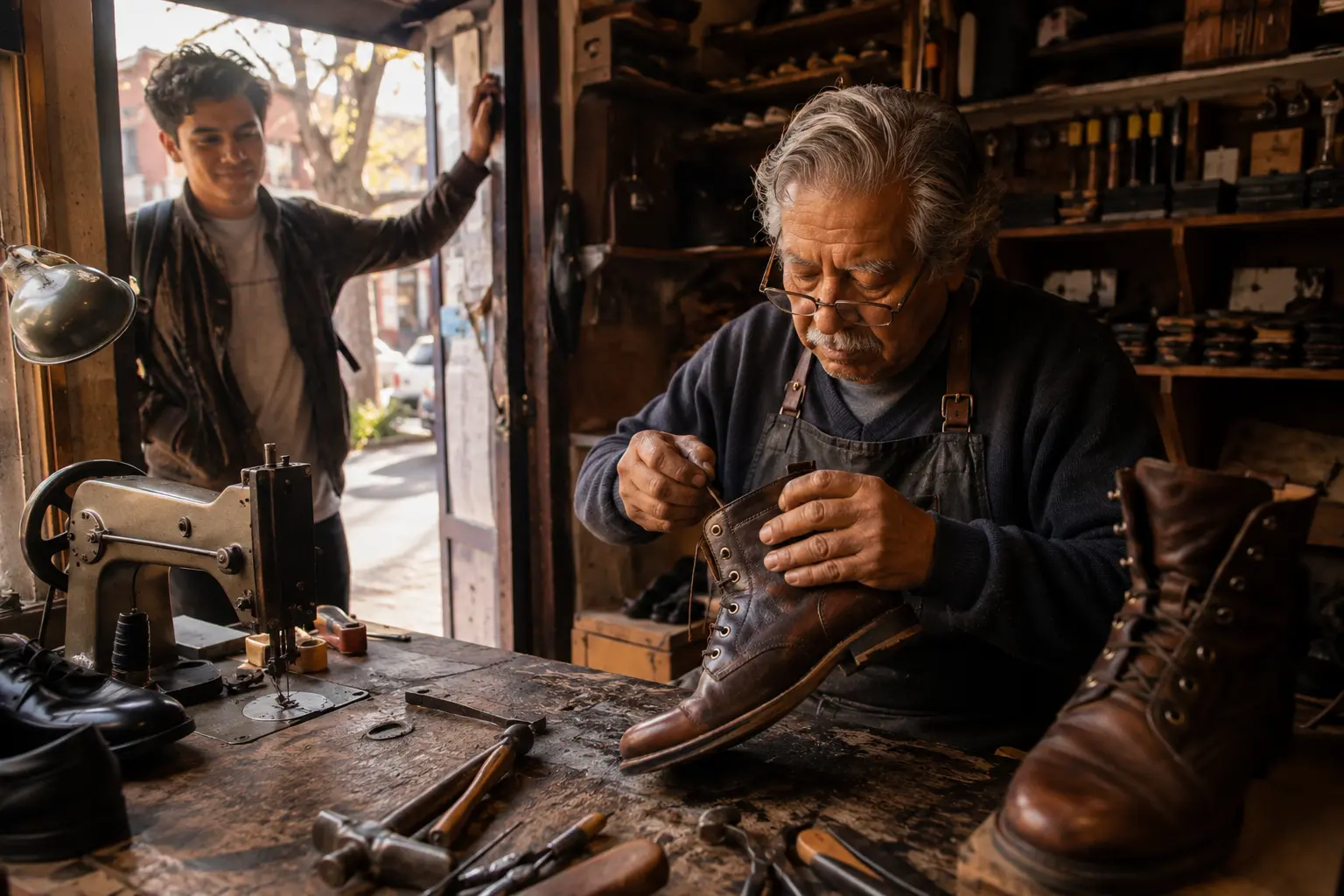
Somewhere nearby, there is often a small shop with a workbench, a patient person, and the kind of practical knowledge that keeps a city moving. This is not the invented story of one particular cobbler. It is a thank-you note to a type of neighborhood worker New Yorkers depend on more than we admit.
The person fixing your shoes may not have a dramatic online presence. They might, however, save your favorite boots, extend the life of an expensive bag, and explain why the last repair failed without making you feel ridiculous.
Repair is not the boring alternative
Buying something new is easy to understand. The object arrives clean, packaged, and full of promises. Repair is more complicated because it asks whether the thing you already own is worth another chance.
Often, it is. A loose heel, damaged sole, separated strap, worn zipper, or broken clasp may be repairable depending on the materials and construction. The answer is not universal. It requires somebody who can actually inspect the problem.
That is where the neighborhood cobbler enters: not as a miracle worker, but as a skilled person able to tell you what is realistic.
Ask for an estimate. Ask how long the work may take. Ask whether a repair is likely to last. A trustworthy answer might be yes, no, or not at that price. Honest uncertainty is part of the service.
The workbench tells a different city story
Behind the counter, there are tools with jobs most customers could not name. Brushes, stitching equipment, replacement soles, small containers of polish, pieces of leather, and objects waiting for attention can make the room feel like a tiny museum of useful decisions.
It is also a working business. Not every shop wants to be photographed, interviewed, or treated like a quaint throwback. Ask before taking pictures. Respect turnaround times. Do not stand in the doorway conducting an impromptu documentary while someone is trying to finish a pair of shoes.
The goal is not to romanticize labor. It is to notice it.
Good shoes know too much to be replaced casually
A comfortable pair has already learned your commute. It knows which subway stairs are dangerous when wet, how long you stand during an event, and whether you walk fast enough to make visitors reconsider their decisions.
Replacing that pair is not always cheaper, easier, or more environmentally sensible than repairing it. Sometimes a new sole makes more sense than starting over. Sometimes the original construction is too damaged and the repair costs more than the shoe can justify.
There is no virtue in spending money you do not have. The point is simply that repair deserves to be considered before replacement becomes automatic.
This applies to bags, belts, jackets, luggage, and other everyday items too. Ask the shop what it handles rather than assuming every cobbler offers identical services.
Neighborhood expertise is not a chain-store setting
Independent repair businesses often know what local customers actually need. One person comes in with restaurant shoes that must survive long shifts. Another brings work boots. Someone else has a bag handle threatening to let go during a crowded commute.
These are not fashion emergencies in the abstract. They are problems attached to jobs, budgets, mobility, weather, and ordinary schedules.
A good repair specialist asks practical questions because the practical details matter. Will the item be worn daily? Does it need to be ready by a specific date? Is the customer hoping for a cosmetic improvement or a structural fix?
That kind of attention can be hard to replace with a generic shipping label.
The price is not just the glue
Skilled repair involves time, materials, experience, equipment, commercial rent, and the ability to know when a quick fix would create a bigger problem. Comparing every estimate to the cost of a small tube from the hardware store misunderstands the service.
At the same time, customers deserve a clear explanation. A responsible shop should be able to discuss the expected work, approximate cost, and timing before you commit. Ask what happens if the item cannot be repaired as planned.
If your budget is limited, say so. There may be a simpler option. Or there may not. Either answer is more helpful than an uncomfortable surprise at pickup.
A little sustainability without the lecture
Keeping useful belongings in circulation can reduce waste, but repair is not an automatic environmental claim. Materials, durability, transportation, and the actual life of the item all matter.
You do not need a perfect sustainability argument to justify taking care of something. Wanting your favorite boots back is enough.
There is also satisfaction in seeing an object return looking ready for another chapter. The scuff becomes less important. The zipper works. The bag feels steady again. Suddenly the day has one less problem waiting for you.
For another angle on practical personal style, explore Borough Signal’s style and beauty coverage.
What a block loses when the repair shop disappears
It loses more than convenience. It loses a place where skilled work is visible, where people can ask a question instead of replacing an object, and where an independent operator knows the neighborhood’s everyday habits.
That loss does not announce itself with a grand speech. It appears when a heel breaks and the nearest available repair is three train transfers away.
If you have a local repair shop you trust, consider using it before the emergency. Ask about preventive care. Save the address. Recommend it to friends without promising miracles. Support does not have to become a campaign.
New York celebrates a lot of people for being visible. It could spend more time appreciating the ones who quietly keep everyone else moving.
Read more about the people behind neighborhood businesses and city life beyond the obvious. The next time a zipper gives up, you may already know who deserves the credit.
Strong Signal
Worth making the trip.
See something that needs attention? Send a correction. We review factual notes and attach meaningful updates to the article.